Most resilience training is wellness theater. This is cognitive architecture. The work that lets your high performers stay seated when the scoreboard says it is hopeless.
High performers are leaving in the seventh inning. They look fine on paper. They produce. They smile in meetings. They are quietly running out. By the time burnout, attrition, or strategic drift becomes visible, the cost is already paid.
This keynote names the actual mechanism. Internal architecture drives external output. When the architecture is character-flawed, performance is a matter of time. When the architecture is character-growth, resilience becomes a structural advantage your competitors cannot copy.
The seventh-inning trap. Why your strongest people quit on the inside before they quit on paper, and the language to spot it before the cost is paid.
Character-growth versus character-flawed operating. The four diagnostic markers your team is running on, and which one predicts whether they stay seated.
The architecture of endurance. The cognitive structure that turns pressure into compounding judgment instead of compounding resentment.
Walk-off leadership. What it takes to be the person on the team who is still building when everyone else has already left for the parking lot.
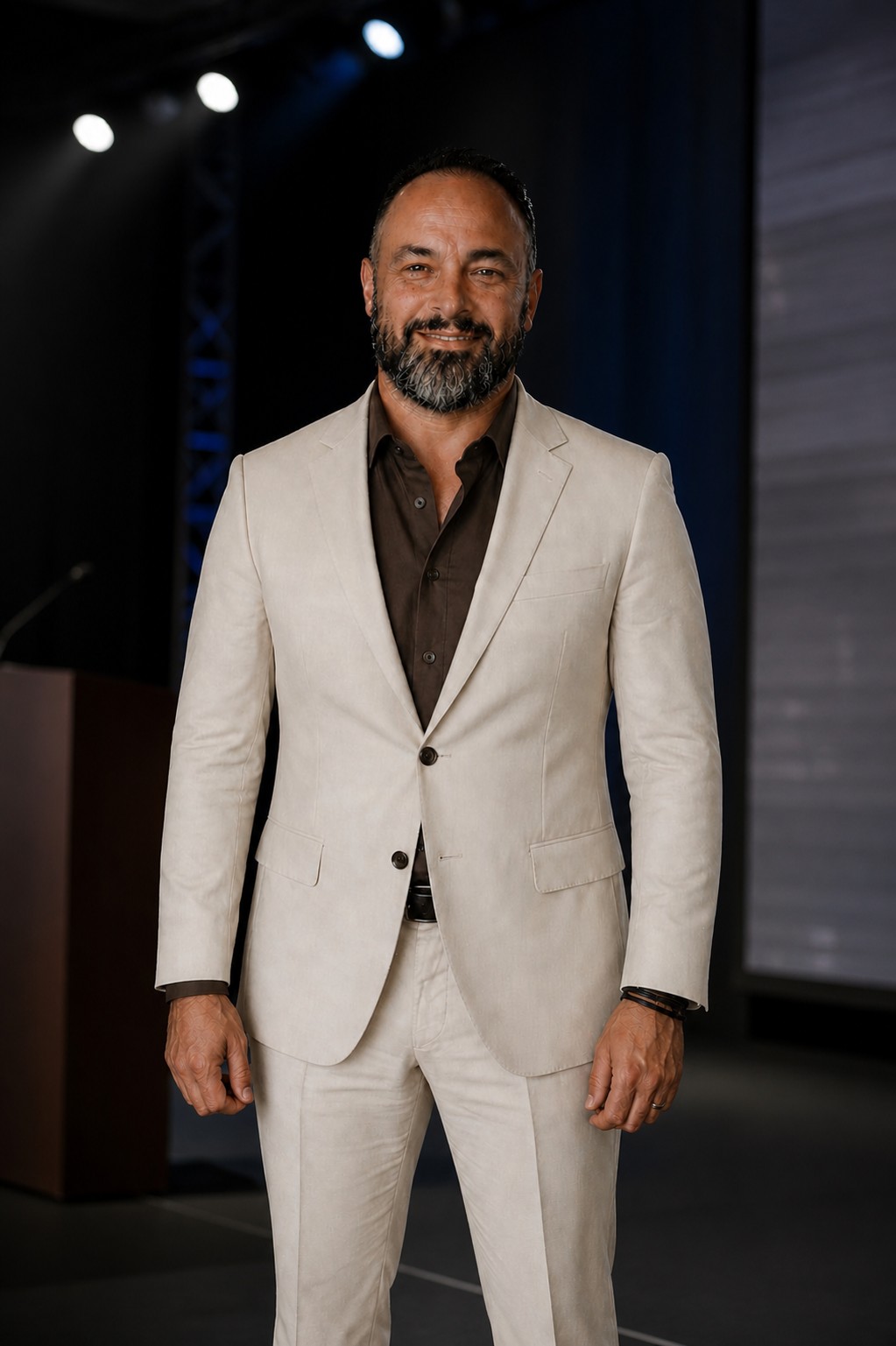
45 to 60 minute signature talk. Built To Stay In It. Tailored framing for your audience and theme.
Three-hour workshop. Keynote plus team-level diagnostic and group rebuild work. Cohort capped at 30 leaders.
Six hours. Keynote, dimensional diagnostic, individual debrief, and team architecture session. Includes pre-work and follow-up brief.
Quarterly cadence with leadership team. Diagnostic, monthly working sessions, executive coaching access, embedded review.
Three companies. Strategy work for seven and eight figure operators. The frameworks come from running them, not reading about them.
Not selling a story he conquered a decade ago. Actively living the architecture through current pressure. The work is documented in real time.
No yelling. No screen-saver quotes. No motivational speaker tropes. Quiet authority. The kind of voice corporate decision-makers actually trust.
C-suite and senior leadership groups facing strategic drift, attrition risk, or burnout among high performers.
Audiences tired of wellness-theater training and looking for cognitive architecture that produces measurable retention.
High-pressure environments where the operating system underneath the quota is the real variable.
Graduate business programs, deans, and faculty leadership groups dealing with retention and resilience at the institutional level.
Founders running 7 to 9 figure operations who need cognitive architecture to match the scale of what they have built.
Pastors, ministry leaders, and chaplains working with men's ministries on identity-anchored leadership.
Calendar fills six months out. The earlier the conversation, the cleaner the engagement. Reply within two business days.